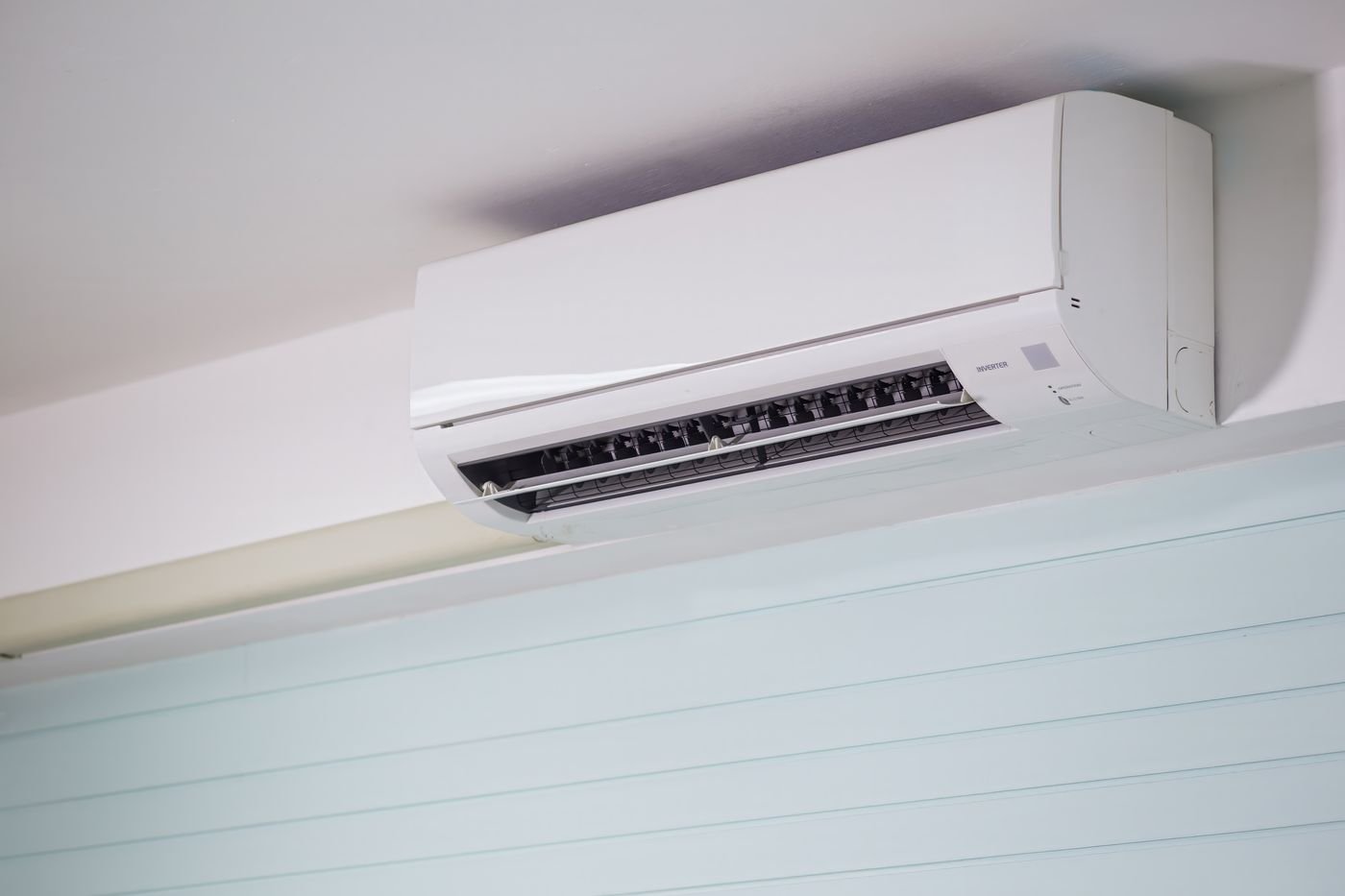
Spotting frost on the copper pipe or a layer of ice behind the front panel of your AC is worrying, especially when it was cooling fine last week. AC ice formation is a common problem in Hyderabad homes, and it is almost always a sign that something is restricting airflow or the gas level is off.
What causes AC ice formation?
Your AC cools the room by passing warm air over a very cold indoor coil. Normally the coil stays just above freezing, so moisture from the air condenses into water and drains away. If the coil drops below freezing, that moisture turns into frost and then a growing layer of ice.
As the ice builds up it blocks even more airflow, which makes the coil colder still. That is why a small patch of frost can turn into a solid block within hours.
6 common causes of ice on an AC
1. Dirty or clogged filters
The most frequent cause. Dust-choked filters cut the air reaching the coil, so it gets too cold and freezes. Hyderabad’s dust and construction activity make this very common.
Fix: slide out the filters, rinse in plain water, dry fully and refit. Do this every 2–3 weeks in peak season.
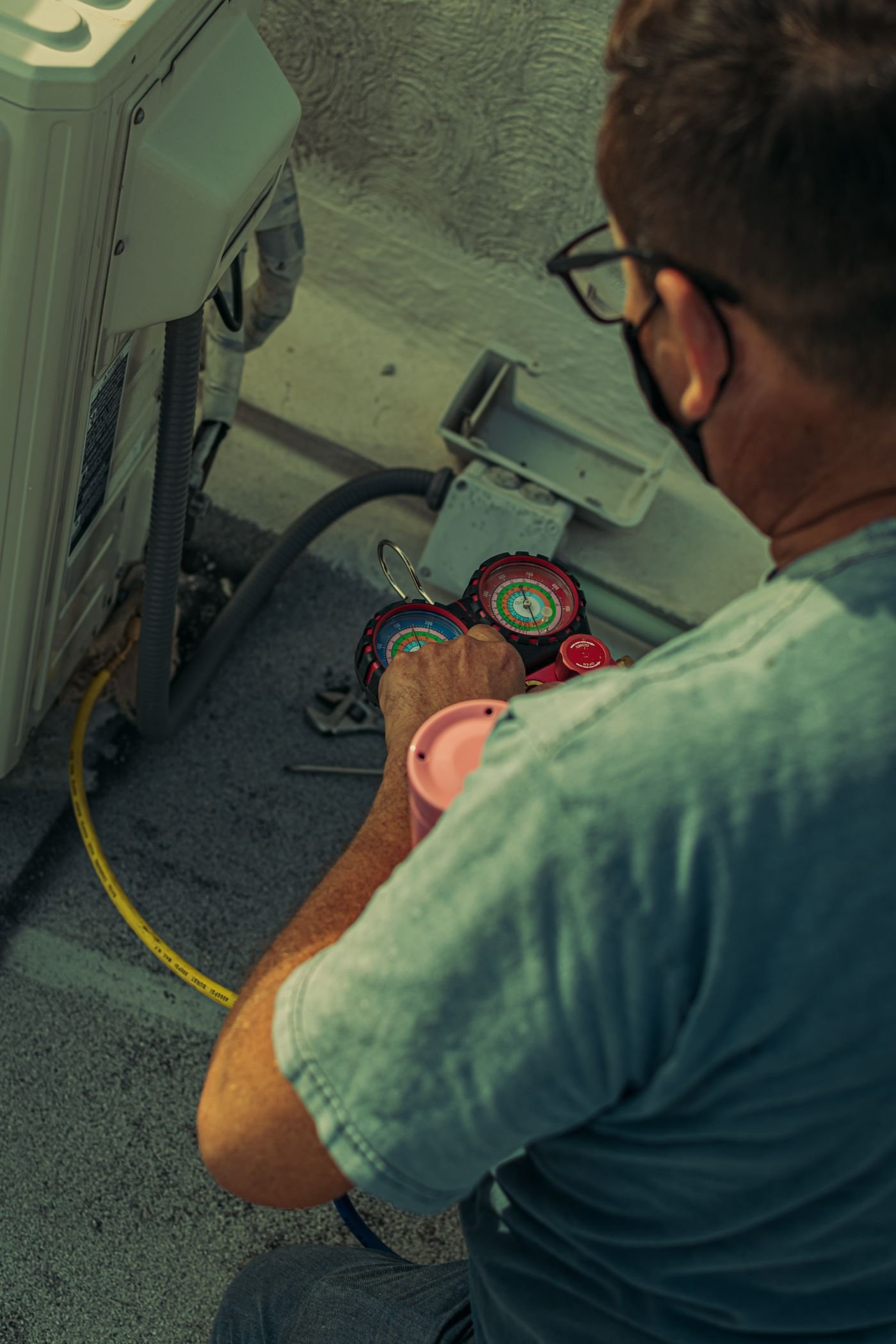
2. Low refrigerant (a gas leak)
When gas runs low, pressure in the coil drops and the coil gets colder than it should, so it ices up. Gas is not “used up” like fuel, so low gas means a leak somewhere. Signs include weak cooling, ice on the thin copper pipe and sometimes a hissing sound.
Fix: only a technician should handle this. The leak must be found and repaired before topping up, otherwise the problem returns. See our AC gas filling service, and the AC gas filling cost guide for a full price breakdown.
3. Blocked vents or poor airflow in the room
Furniture, curtains or a closed door that stops air circulating can starve the unit of warm return air. Less warm air over the coil means a colder coil.
Fix: keep the area around the indoor unit clear and make sure the louvres are fully open.
4. A weak or failing blower fan
If the indoor fan runs slowly because of a weak capacitor or a worn motor, airflow drops and the coil can freeze even with clean filters.
Fix: a technician tests the capacitor and fan motor. Capacitor replacement starts from ₹699 and fan motor repair from ₹799.
5. Running the AC too cold, especially on cool nights
Setting 16–18°C for long hours, or running cooling mode when outside temperatures are low, can push the coil toward freezing. This is more likely in the cooler Hyderabad winter nights.
Fix: set 24–26°C, or use fan or dry mode when it is not hot. Our winter AC care guide has more tips.
6. A dirty coil or blocked drain
Dirt on the coil acts like a blanket and disturbs heat exchange. A clogged drain can also leave water sitting around the coil. Both make freezing more likely.
Fix: a professional AC service cleans the coil and flushes the drain. For heavy build-up, ask for a foam-jet deep clean.
How to thaw an iced-up AC safely
- Switch off cooling and turn the AC to fan-only mode, or switch it off completely.
- Let it thaw fully. This can take a few hours, so be patient.
- Place a towel or tray below the unit, as the melting ice produces a lot of water. See why an AC leaks water.
- Clean the filters while it thaws.
- Restart in cooling mode at 24–26°C and watch for a few hours.
Do not chip or scrape the ice. You can damage the coil or fins and cause a gas leak.
What it costs to fix in Hyderabad
| Problem | Typical fix | Price |
|---|---|---|
| Not sure of the cause | Diagnosis visit (adjusted if you repair) | ₹299 |
| Dirty filters, coil, drain | Split AC service | ₹549 |
| Heavy dirt on coil | Foam-jet deep clean (split) | ₹749 |
| Weak fan or capacitor | Capacitor replacement / fan motor repair | from ₹699 / from ₹799 |
| Gas leak | Leak brazing | from ₹699 |
| Low gas after leak repair | Gas top-up / full R32 or R410A charge | from ₹1,499 / from ₹2,799 |
Spare parts are charged at actuals, and your technician confirms the price before starting work. See the full price list.
How to prevent ice on your AC
- Clean filters every 2–3 weeks in peak season and monthly otherwise.
- Service your AC at least once a year, ideally before summer, so the coil and drain stay clean.
- Avoid very low settings. 24–26°C cools well without over-chilling the coil.
- Keep airflow clear around the indoor unit and keep room doors closed while cooling.
- Act on weak cooling early. A slow loss of cooling is often the first sign of low gas.
When to call a technician
Call for help if any of these apply:
- The ice comes back after you have cleaned the filters and thawed the unit
- You see frost on the thin copper pipe or the outdoor unit
- Cooling is weak even when there is no ice
- You hear hissing, which can point to a gas leak
- The indoor fan sounds slow, noisy or does not run
Please do not attempt anything involving gas, wiring or opening sealed parts yourself. A CoolSaathi technician can find the cause on the first visit and quote before any work begins, and our work carries a 30-day warranty. See our AC repair service, or read AC blowing hot air? Here’s why if cooling has dropped.
Frequently asked questions
Is it safe to run my AC with ice on it?
No. Running it while iced up strains the compressor and can lead to water leaking into your room. Switch to fan mode or turn it off until the ice melts.
How long does an iced-up AC take to thaw?
It depends on how much ice has built up, but it commonly takes a few hours with the fan running. Do not rush it with heat or tools.
Does ice on my AC mean the gas is low?
Not always. Dirty filters and poor airflow are more common causes. But if the ice returns after cleaning the filters, low gas from a leak is likely and needs a technician.
How much does it cost to fix an iced-up AC in Hyderabad?
At CoolSaathi a diagnosis visit is ₹299 (adjusted if you go ahead with the repair) and a split AC service is ₹549. If gas is the cause, leak brazing starts from ₹699 and a top-up from ₹1,499.
Can ice form on an AC in winter?
Yes. In cooler weather the coil can freeze more easily if the AC is run at very low temperatures or airflow is restricted. Use fan or dry mode when it is not hot.

Thomas Daniel
CoolSaathi’s lead AC specialist with 10+ years servicing split and window ACs across Hyderabad.